Create Balance Between Function and Aesthetics in Your Building Project

Create Balance Between Function and Aesthetics in Your Building Project
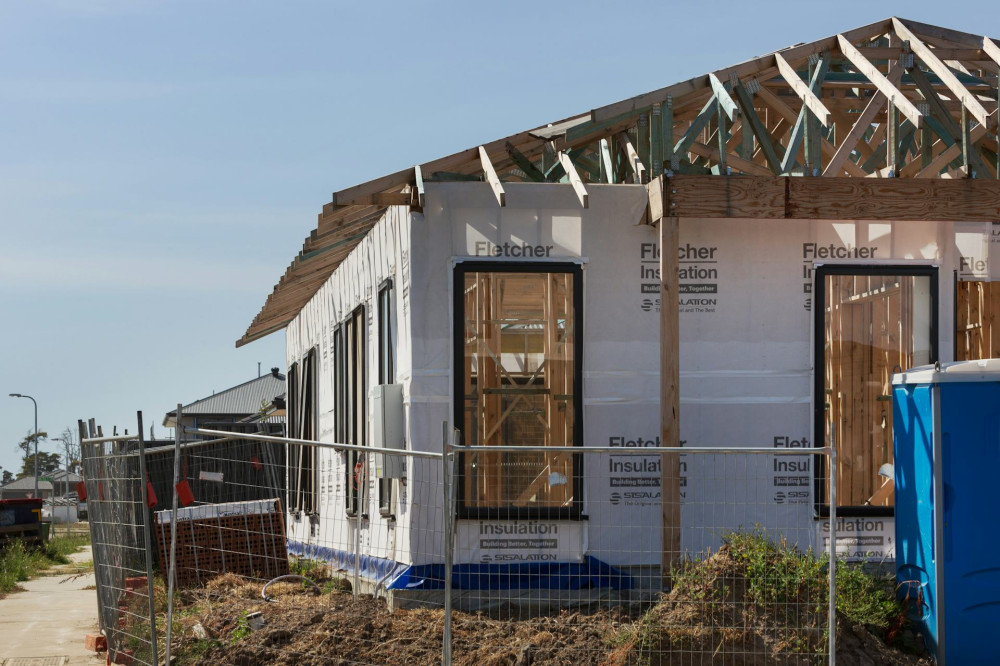
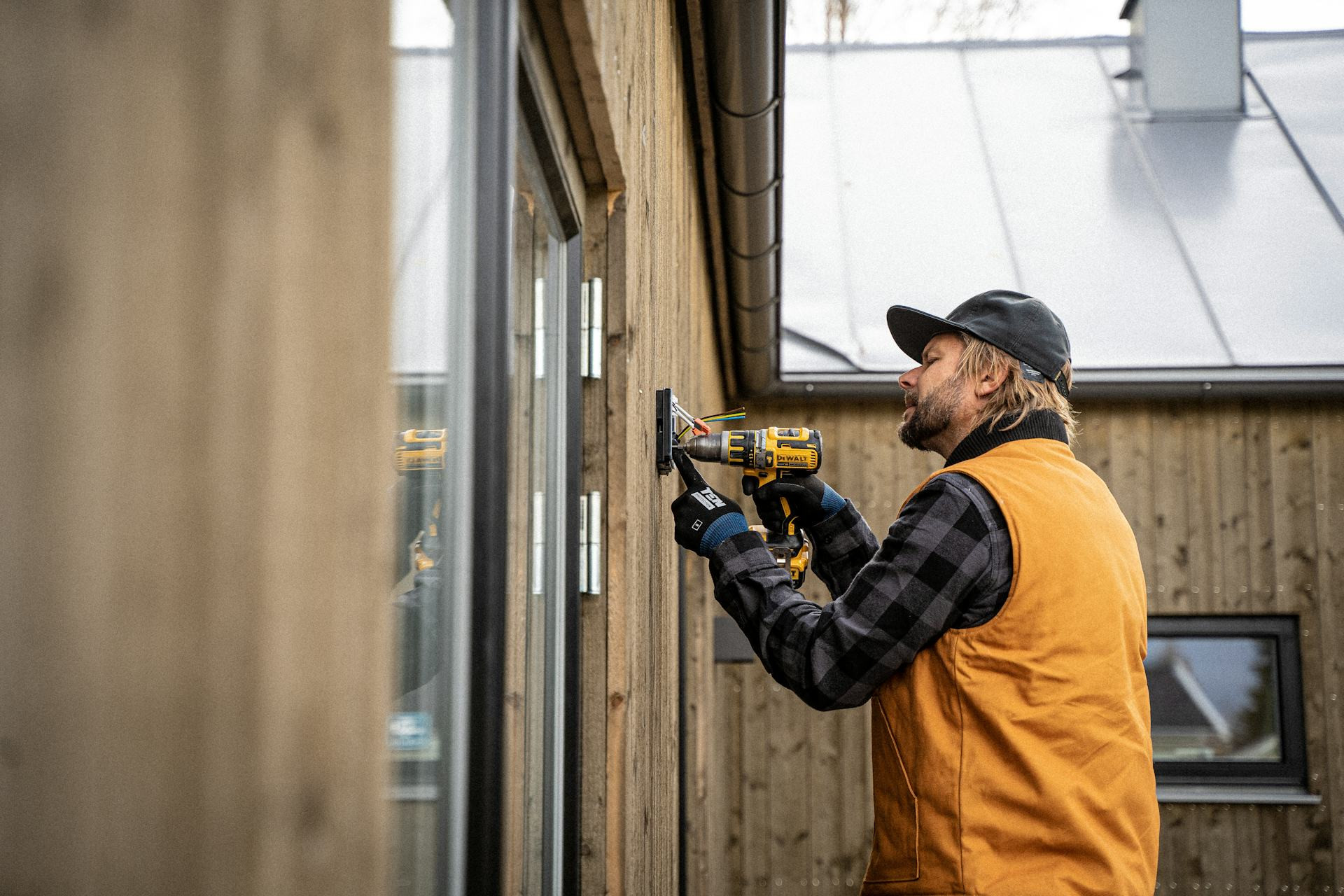
When you embark on a building project – whether it’s a new home, an extension, or a major renovation – one of the biggest challenges is finding the right balance between function and aesthetics. A home should not only work well in everyday life but also be a place that feels visually pleasing and comfortable. So how do you ensure that practicality and beauty go hand in hand? Here’s some inspiration for creating a building that is thoughtful, durable, and harmonious – with a touch of New Zealand character.
Start with Function – Then Shape the Look
It’s tempting to begin by choosing materials, colours, and architectural details, but a successful project starts with a clear understanding of your needs. How do you live day to day? Where do you spend most of your time? What functions should each space serve?
Make a list of your key requirements: storage, natural light, flexibility, energy efficiency, and maintenance. Once the functional aspects are defined, it becomes easier to make aesthetic choices that support the way you actually use your home. In New Zealand’s varied climate, this might also mean thinking about how your home performs in both summer heat and winter chill.
Think Holistically – Not in Isolated Details
A beautiful building is not just about individual design choices but about how everything works together. Colours, materials, and proportions should form a coherent whole, both inside and out.
- Exterior: Rooflines, cladding, and window design should create a unified visual expression. Consider how your home fits into its surroundings – whether it’s a coastal site, a suburban street, or a rural landscape.
- Interior: Create continuity by repeating materials and tones across rooms. This gives a sense of calm and flow.
Holistic thinking also means understanding how function and aesthetics influence each other. A large window may offer stunning views of the Southern Alps or the sea, but it might also require shading to prevent overheating. An open-plan layout can feel spacious but may need acoustic solutions and clever storage to stay practical.
Choose Materials That Combine Beauty and Durability
Material selection is where function and aesthetics meet most directly. A material can be beautiful but impractical – or practical but uninspiring. The best solutions often lie in the middle.
- Timber adds warmth and character, and locally sourced species like cedar or macrocarpa can be both sustainable and striking. Just remember to consider maintenance and weather exposure.
- Stone and concrete are robust and timeless, ideal for New Zealand’s seismic conditions, but can feel cold unless balanced with softer textures.
- Modern composites and recycled materials can mimic natural finishes while offering lower maintenance and environmental impact.
Sustainability is key. Materials with long lifespans and low embodied carbon are not only better for the planet but also make your home more resilient and cost-effective over time.
Light as a Design Tool
Light is one of the most powerful elements in both function and aesthetics. A well-lit space feels larger, more comfortable, and more alive. Plan window placement carefully – consider the sun’s path, prevailing winds, and the views you want to frame.
Complement natural light with artificial lighting that adapts to different needs: task lighting, ambient lighting, and accent lighting. Built-in fixtures, wall lamps, and pendants can serve as design features while fulfilling practical purposes. In New Zealand homes, where daylight hours vary greatly between seasons, flexible lighting design is especially valuable.
Furnish with Intention
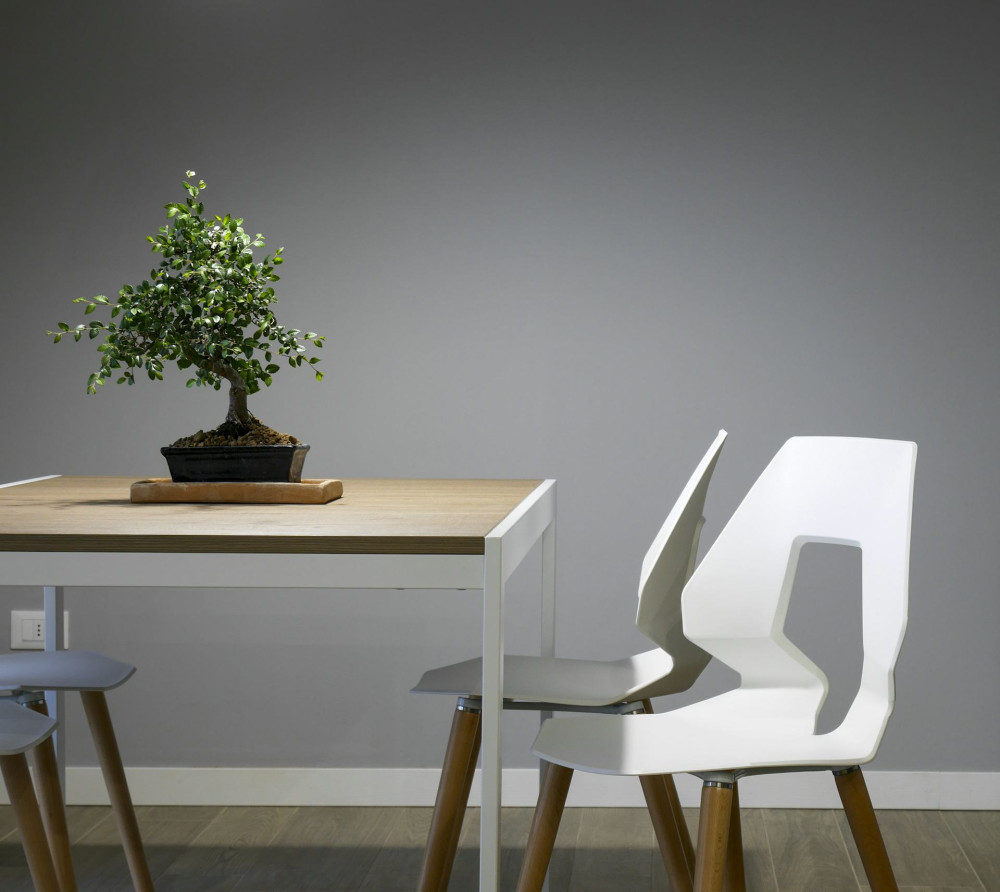
When the building is complete, interior design plays a crucial role in maintaining balance. Furniture, textiles, and colours should enhance the architecture rather than compete with it.
- Use simple lines and a limited palette to create a sense of calm.
- Define zones in open spaces to make functions clear.
- Choose colours that respond to natural light – cooler tones for south-facing rooms, warmer hues for north-facing ones.
A well-balanced interior feels both functional and personal, reflecting your lifestyle and the surrounding environment.
Læs også:

Collaborate with the Right Professionals
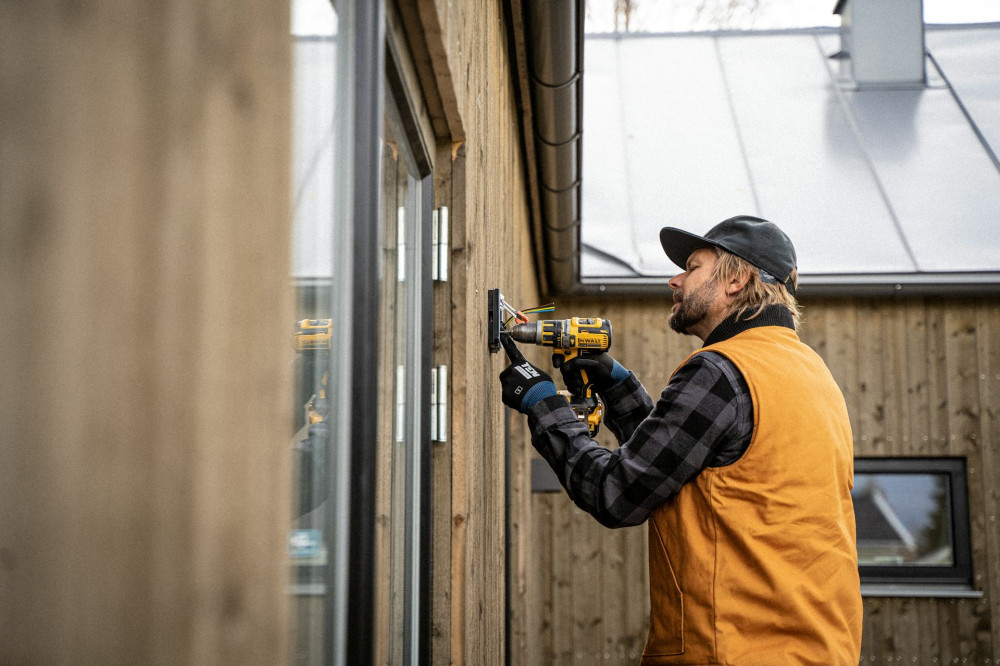
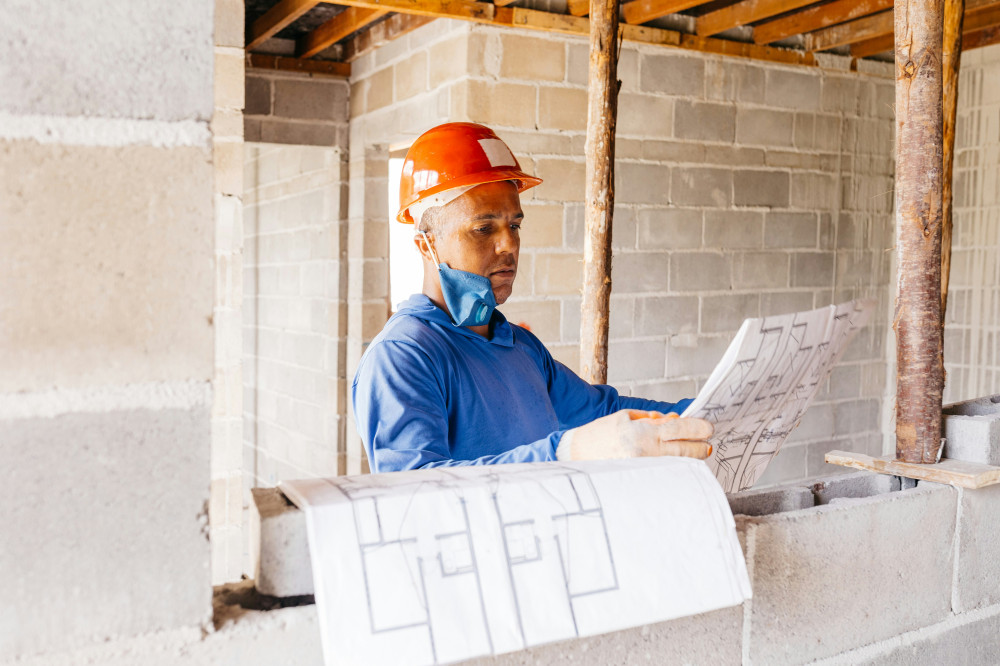
Even the best ideas can falter without good communication between homeowner, architect, and builders. Choose professionals who understand your vision and can translate it into solutions that are both practical and aesthetically refined.
An architect can help you integrate form and function, while an engineer or builder ensures that technical details hold up in practice. In New Zealand, where building codes and environmental conditions are unique, local expertise is invaluable.
A Home That Lasts – and Feels Right
When function and aesthetics come together, you create a home that not only looks good but also works beautifully in everyday life. It’s a place where you feel comfortable, connected to your surroundings, and ready for the future. A successful building project isn’t necessarily the most extravagant – it’s the one that feels right to live in, season after season, year after year.
Læs også: