The payment plan that matches the stages of your building project

The payment plan that matches the stages of your building project
When you’re building a new home, renovating, or adding an extension, it’s not just the design and materials that need careful planning – your finances do too. A well-structured payment plan helps you stay in control, avoid disputes, and ensure that payments align with the actual progress of your project. It gives both you and your builder clear expectations about when and how payments will be made.
Here’s how you can create a payment plan that follows the natural stages of your building project – from the first concept to the final handover.
Why a payment plan matters
A payment plan is an agreement between you and your builder that sets out when payments will be made as the work progresses. It protects both parties: the builder has assurance of regular payments, and you only pay for work that has been completed to an agreed standard.
Without a clear plan, misunderstandings can arise about what’s finished and what’s owed. This can lead to tension, delays, or even financial loss. A transparent payment schedule keeps everyone accountable and helps you manage your budget with confidence.
Stage 1: Design and consent
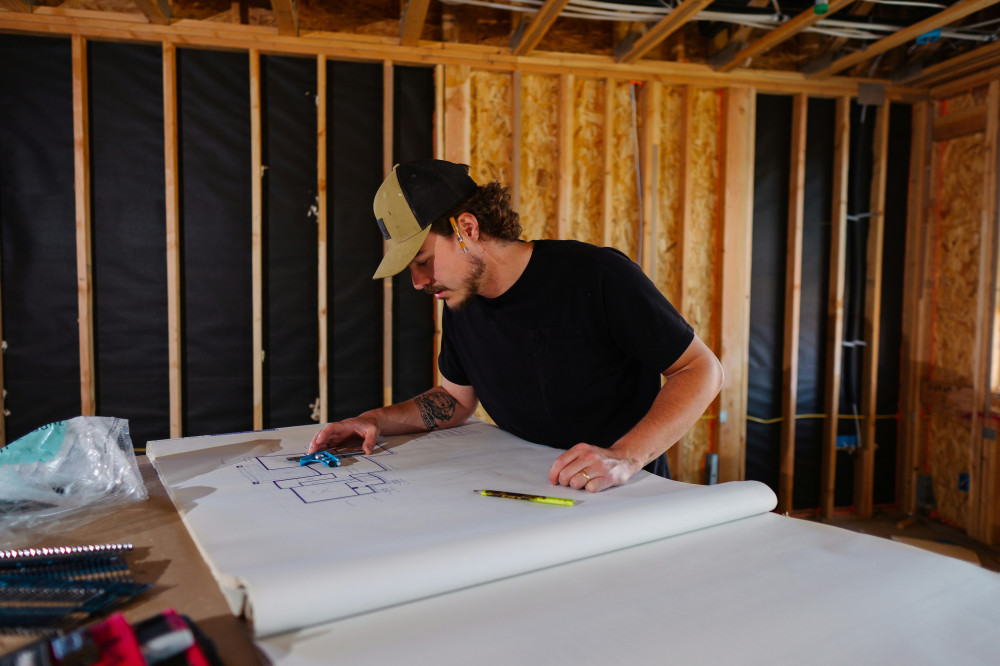
Before construction begins, you’ll need plans, consents, and possibly engineering reports. In this stage, payments usually cover design work, council fees, and project management setup.
It’s common to make a small initial payment – around 5–10% of the total contract value – to cover these early costs. The remainder should only be paid once the final drawings and building consent are approved.
Stage 2: Site preparation and foundation
Once the site is ready and construction starts, the major expenses begin. Payments at this stage should reflect visible progress.
A typical breakdown might look like this:
- Site works and foundation: 15–20%
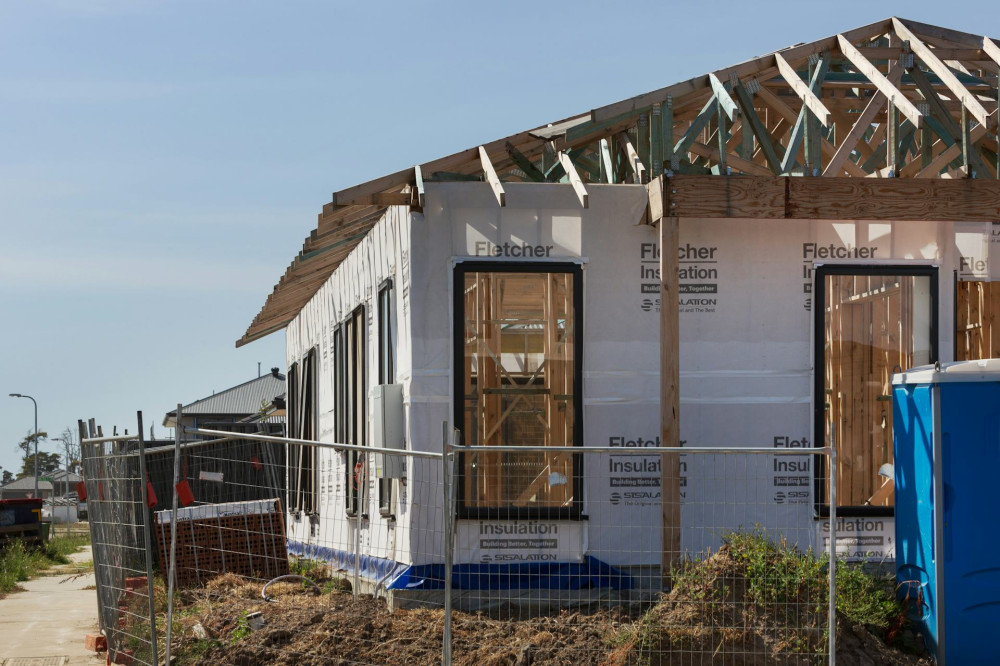
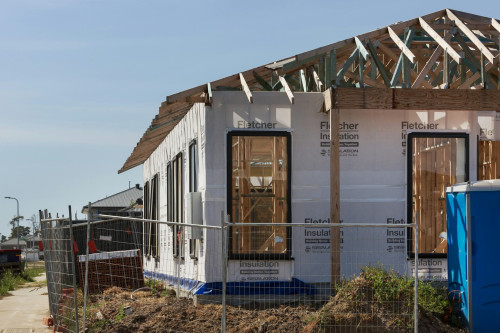
- Framing, roof, and exterior cladding: 25–30%
Always make sure the work has been completed and inspected before releasing the next payment. It’s wise to have an independent building consultant or quantity surveyor confirm that each stage meets the agreed standard.
Stage 3: Services and interior work
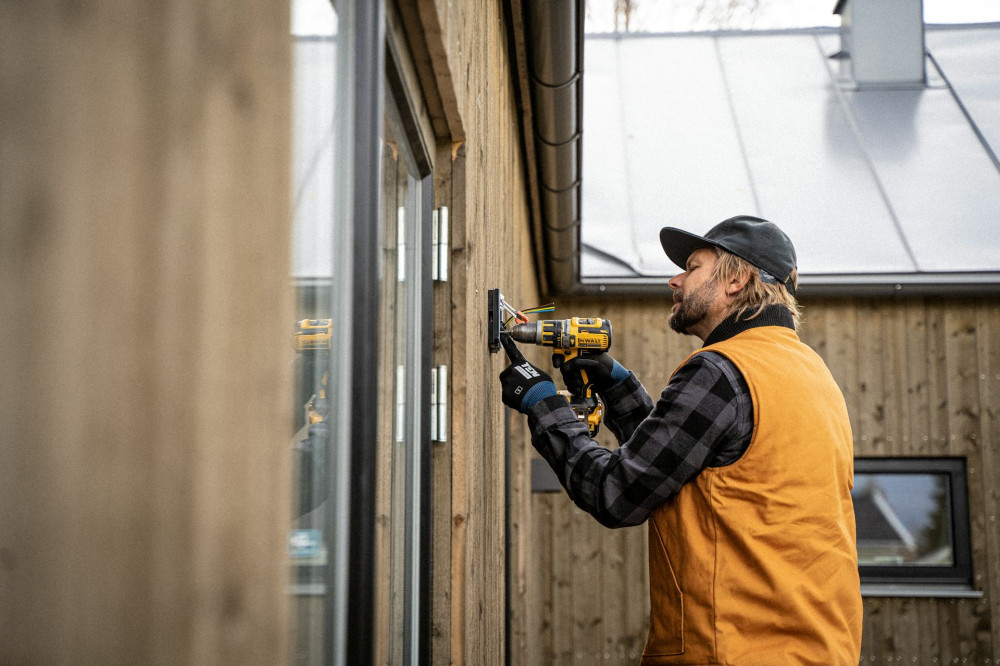
When the structure is weather-tight, the focus shifts to plumbing, electrical, insulation, and interior linings. You can arrange one or two progress payments to cover these technical installations and the finishing work such as flooring, painting, and cabinetry.
This is also the stage where variations and upgrades often occur. Make sure your payment plan includes a clear process for approving and pricing any changes. All variations should be confirmed in writing before work begins.
Stage 4: Completion and handover
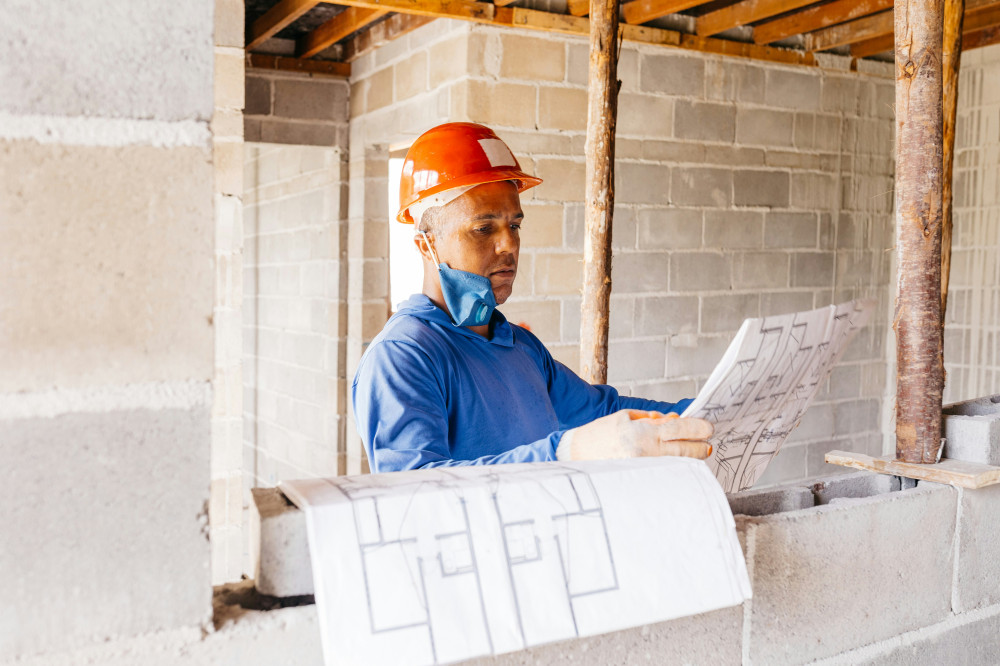
As your project nears completion, the final payment should only be made after a thorough inspection with your builder. This ensures that everything meets the agreed specifications and that any defects are noted.
It’s standard practice to hold back 5–10% of the contract value as a retention until all outstanding issues are resolved. This gives the builder an incentive to complete the job properly and provides you with peace of mind.
Stage 5: Post-completion and warranty period
Even after handover, minor defects can appear as the building settles. Most building contracts in New Zealand include a defects liability or warranty period, typically lasting 12 months. You can agree to release a small final payment – for example, 2–3% – after the end of this period, once any issues have been fixed.
This ensures your builder remains committed to quality long after the keys are handed over.
Practical tips for a secure payment plan
- Use a standard contract. The New Zealand Master Build or Registered Master Builders contracts include clear payment and retention terms.
- Avoid large upfront payments. Never pay for work that hasn’t been completed.
- Keep everything in writing. Document all changes, timelines, and payment milestones.
- Engage independent oversight. A building consultant or project manager can help verify progress before each payment.
- Track your budget closely. A structured payment plan makes it easier to spot cost overruns early.
Læs også:

A plan that keeps your project on track
Building a home is one of the biggest investments you’ll make. A payment plan that follows the stages of your project gives you financial clarity and helps maintain a positive working relationship with your builder.
By paying in line with progress, you reduce risk, encourage quality workmanship, and ensure that everyone is working toward the same goal – a finished home that meets your expectations and stands the test of time.
Læs også: