Financial Preparedness: How to Get Ready for Unexpected Construction Costs

Financial Preparedness: How to Get Ready for Unexpected Construction Costs
Whether you’re building a new home, renovating a villa, or adding an extension, construction projects always come with a degree of uncertainty. Even with careful planning, unforeseen costs can arise — from hidden structural issues to rising material prices or delays caused by bad weather. Being financially prepared is key to keeping your project on track and your stress levels low. Here’s how to plan for the unexpected and protect your budget.
Understand the Common Risks
The first step in financial preparedness is understanding where unexpected costs typically come from. While you can’t predict every challenge, you can anticipate the most common ones.
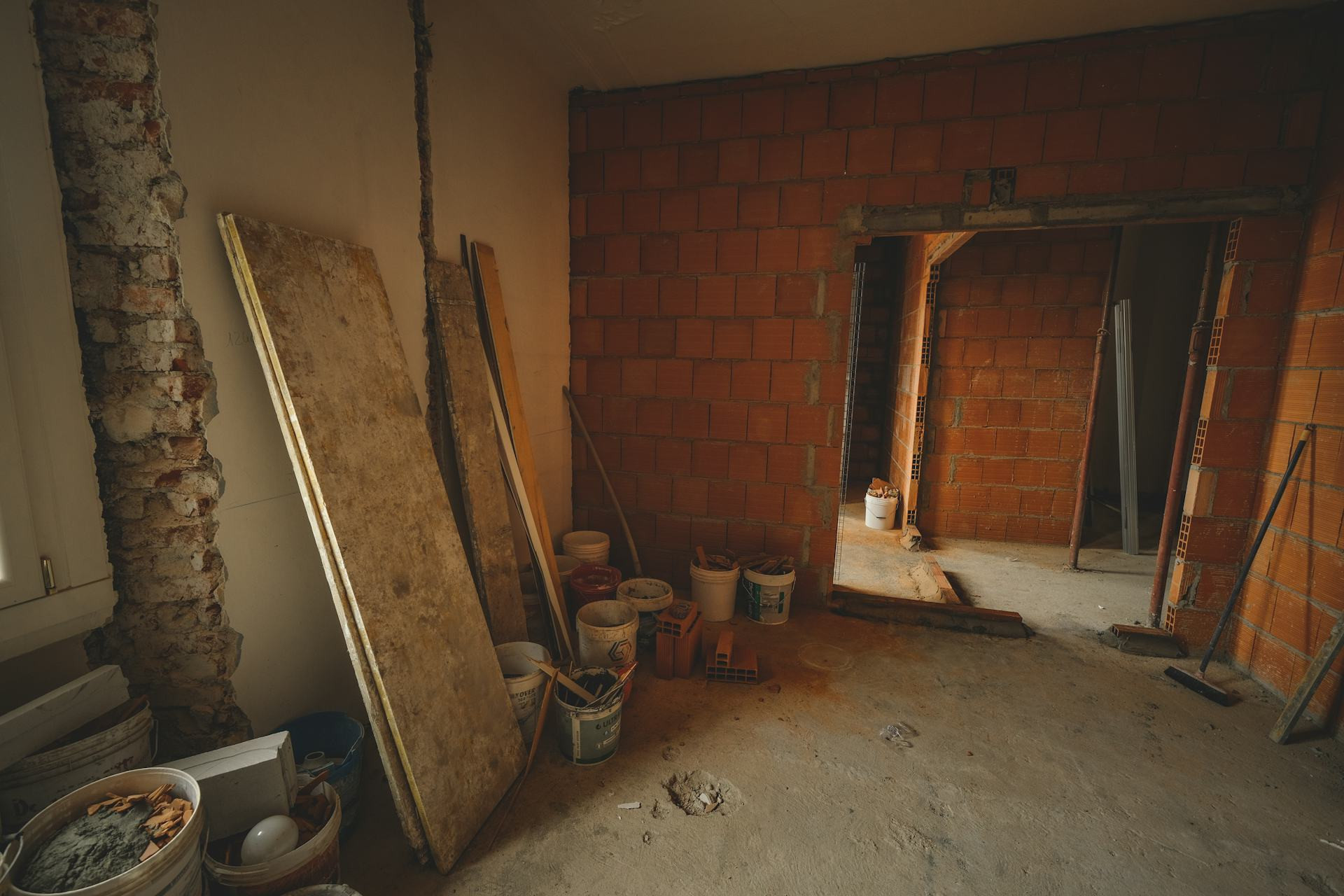
- Hidden issues: When renovating older New Zealand homes, you may uncover problems like rot, asbestos, or outdated wiring that need urgent attention.
- Price fluctuations: The cost of timber, steel, and other materials can change quickly, especially with global supply chain pressures or local demand surges.
- Design changes: Mid-project adjustments — such as upgrading materials or altering layouts — can add significant costs.
- Delays: Weather events, labour shortages, or supply delays can extend timelines and increase expenses.
Recognising these risks helps you plan a budget that can absorb surprises without derailing your project.
Build a Realistic Budget — and Add a Buffer
A detailed, realistic budget is the foundation of any successful build. Start by gathering multiple quotes from builders and suppliers to get a clear sense of current market prices. Include every possible cost — from consent fees and site preparation to temporary accommodation and waste removal.
A good rule of thumb is to set aside 10–20% of your total budget as a contingency fund. The older or more complex the project, the larger your buffer should be. It might feel like a lot, but it’s far better to have funds left over than to scramble for extra financing later.
Plan Your Financing Carefully
How you finance your build can make a big difference to your flexibility. Many New Zealand homeowners use a construction loan, which allows staged payments as the project progresses. Make sure you understand the loan terms, including interest rates, drawdown conditions, and any fees.
Talk to your bank or mortgage adviser about structuring your loan to include a contingency amount. Having a pre-approved credit line for unexpected costs can save you from having to renegotiate mid-project — when time and stress are already high.
Læs også:
Get Your Contracts and Responsibilities Clear
A well-drafted contract is one of your best protections against financial surprises. Ensure your agreements with builders and subcontractors clearly outline:
- What’s included in the quoted price
- How variations and additional work will be handled
- Payment schedules and milestones
- Responsibilities for delays, defects, or damage
In New Zealand, it’s wise to use a standard building contract, such as those provided by the Registered Master Builders Association or New Zealand Certified Builders. These templates help define expectations and reduce the risk of disputes that can cost you time and money.
Monitor Your Spending Throughout the Project
Construction projects evolve, and so should your financial oversight. Keep a running record of all expenses and compare them regularly against your budget. This helps you spot cost overruns early and make informed decisions before they escalate.
Regular check-ins with your builder or project manager are also valuable. Discuss progress, upcoming costs, and any potential changes. The earlier you identify a financial issue, the easier it is to adjust your plan.
Protect Yourself with Insurance and Warranties
Even with the best planning, things can go wrong. Make sure you’re covered with the right insurance. A contract works insurance policy protects against damage during construction, while your builder should carry public liability insurance.
Once the project is complete, ensure you receive documentation for warranties and guarantees — such as the Master Build Guarantee or similar protections. These can cover structural defects or workmanship issues for years after completion, giving you peace of mind.
Learn from the Experience
When the dust settles and your new space is ready, take time to reflect on the process. What went smoothly? Where did costs blow out? Understanding what worked — and what didn’t — will help you plan even better next time.
Financial preparedness isn’t just about numbers; it’s about confidence and control. With a realistic budget, a solid contingency plan, and clear agreements, you’ll be ready to handle whatever surprises your construction project throws your way — and enjoy the results without financial regret.
Læs også: