Thoughtful Material Choices: Balancing Function, Aesthetics, and Maintenance


Thoughtful Material Choices: Balancing Function, Aesthetics, and Maintenance
When you embark on a building or renovation project, the materials you choose are among the most important decisions you’ll make. It’s not just about how things look – it’s about how they perform, how long they last, and how much care they require. A well-considered material choice can mean the difference between a home that ages gracefully and one that quickly loses its appeal. Here’s how to find the right balance between function, aesthetics, and maintenance – and make choices that stand the test of time in a New Zealand context.
Function First – But Not Alone
Functionality should always be your starting point. A material must be able to withstand the conditions it will face and perform well in its environment. In a bathroom, surfaces need to resist moisture; in a kitchen, benchtops must handle heat, spills, and frequent cleaning. Outdoors, materials must cope with New Zealand’s diverse climate – from the salty coastal air to the strong UV exposure and occasional frost inland.
Function also includes comfort and practicality. A floor may look stunning, but if it’s slippery when wet or cold underfoot, it can quickly become a nuisance. Always ask yourself: How will this material be used – and by whom?
Læs også:


Aesthetics – When Materials Set the Mood
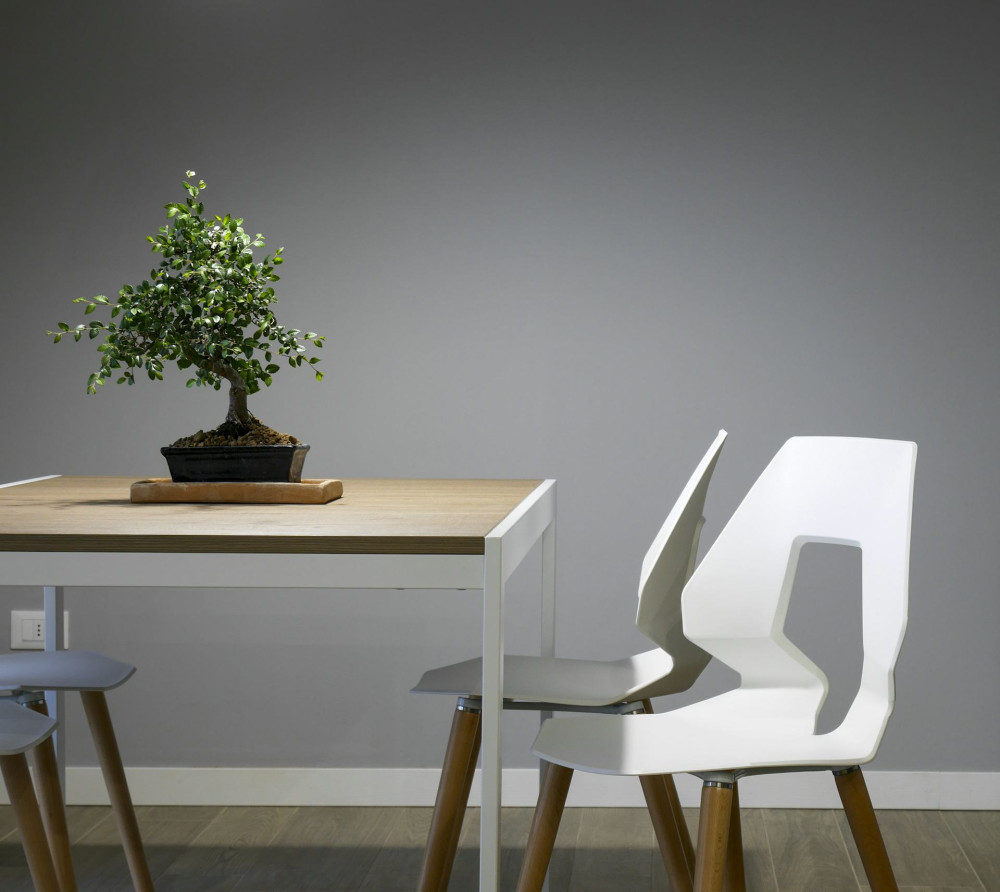
Materials do more than serve a purpose; they shape the atmosphere of a space. Timber brings warmth and a natural feel, while concrete and steel convey modernity and strength. Glass and light-coloured finishes can make a room feel open and airy, while darker tones create intimacy and calm.
Aesthetic choices are about harmony – how materials, colours, and light interact. Consider how each element connects, not just within a single room but throughout your home. A cohesive look emerges when materials complement each other, yet still offer enough contrast to add depth and character.
Think in textures and tones: pair smooth with rough, matte with glossy, light with dark. This interplay creates visual interest without overwhelming the space.
Maintenance – The Overlooked Factor
A material can be both beautiful and functional, but if it demands constant upkeep, it may become a burden. It’s important to be realistic about how much time and effort you’re willing to invest in cleaning and maintenance.
- Timber needs regular oiling or sealing, but rewards you with warmth and a natural patina.
- Natural stone such as granite or schist adds character but can be sensitive to stains and acids.
- Engineered composites and laminates are easier to maintain but may lack the organic charm of natural materials.
- Metal and glass offer a sleek, modern look but tend to show fingerprints and smudges easily.
Choosing materials that suit your lifestyle helps you avoid frustration and ensures your home remains inviting for years to come.
Sustainability – A Growing Priority
Sustainability is increasingly central to material selection in New Zealand. It’s not only about choosing eco-friendly products but also about considering durability and life cycle. A material that lasts decades is often more sustainable than one that needs frequent replacement.
Look for certifications such as FSC for timber or Environmental Choice New Zealand for verified sustainable products. Locally sourced materials can also reduce transport emissions and support regional industries. Reclaimed timber, recycled metal, and low-VOC finishes are all worth exploring if you want to reduce your environmental footprint.
Sustainability also ties into aesthetics: a material you’ll still love in 20 years is, in its own way, a sustainable choice.
Seeing the Whole Picture
The best material choices come from thinking holistically – balancing function, aesthetics, and maintenance from the outset. A beautiful, practical, and durable result depends on how well these factors work together.
Start by clarifying your priorities: Is your main focus appearance, longevity, cost, or environmental impact? Once you know what matters most to you, it becomes easier to make confident, lasting decisions.
And remember: there’s rarely a single “perfect” material. The right choice is the one that fits your home, your environment, and the way you live.
Læs også: